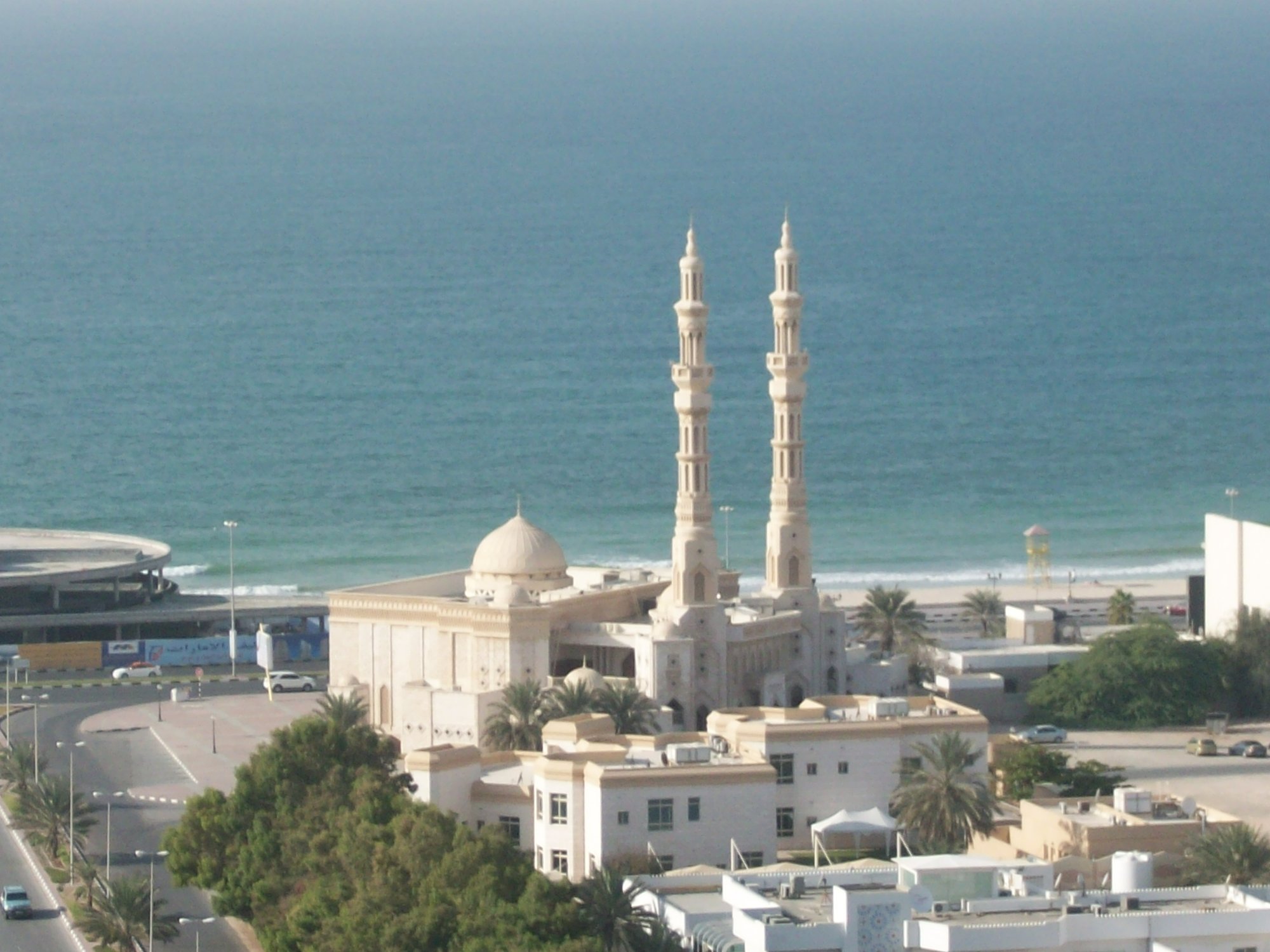
Ajman
Guide: what to see, where to stay, when to go and what it costs
© Mahmoud Farrag @ wikimedia.org / CC BY 3.0
- Now
- +32°, clear data: MET Norway
- Best season
- November — March
- Time
- UTC+4
- Currency
- dirham, AED
- Airports
- SHJ · DXB →
Ajman in a minute
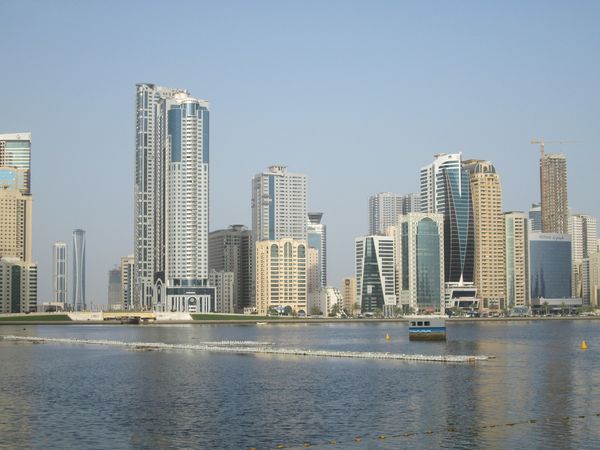
Ajman is the smallest emirate in the UAE by area, wedged so tightly between Sharjah and Umm Al Quwain that the urban sprawl flows from one emirate into the next almost without a seam. In effect it's a quieter, cheaper suburb of the Dubai-Sharjah conurbation, with its own beachfront and waterfront but no headline-grabbing attractions of its own.
What brings people here is affordable seaside time half an hour from Dubai, plus the dhow yard, where wooden boats are still built by hand using centuries-old techniques.
What to see
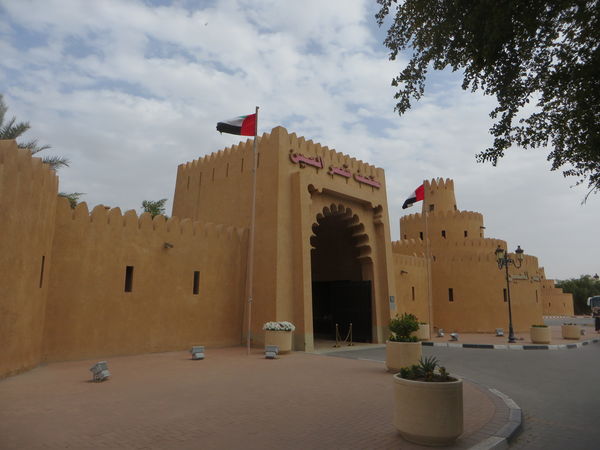
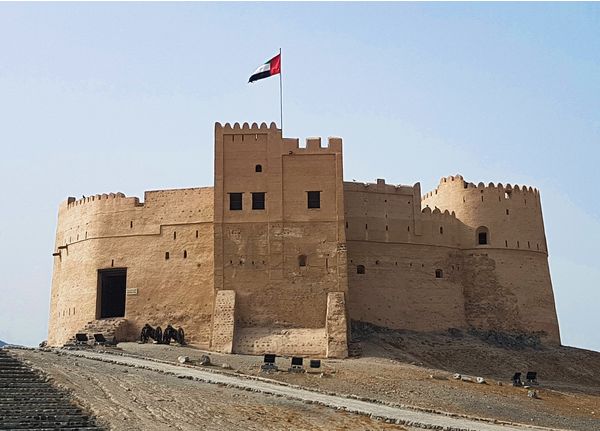
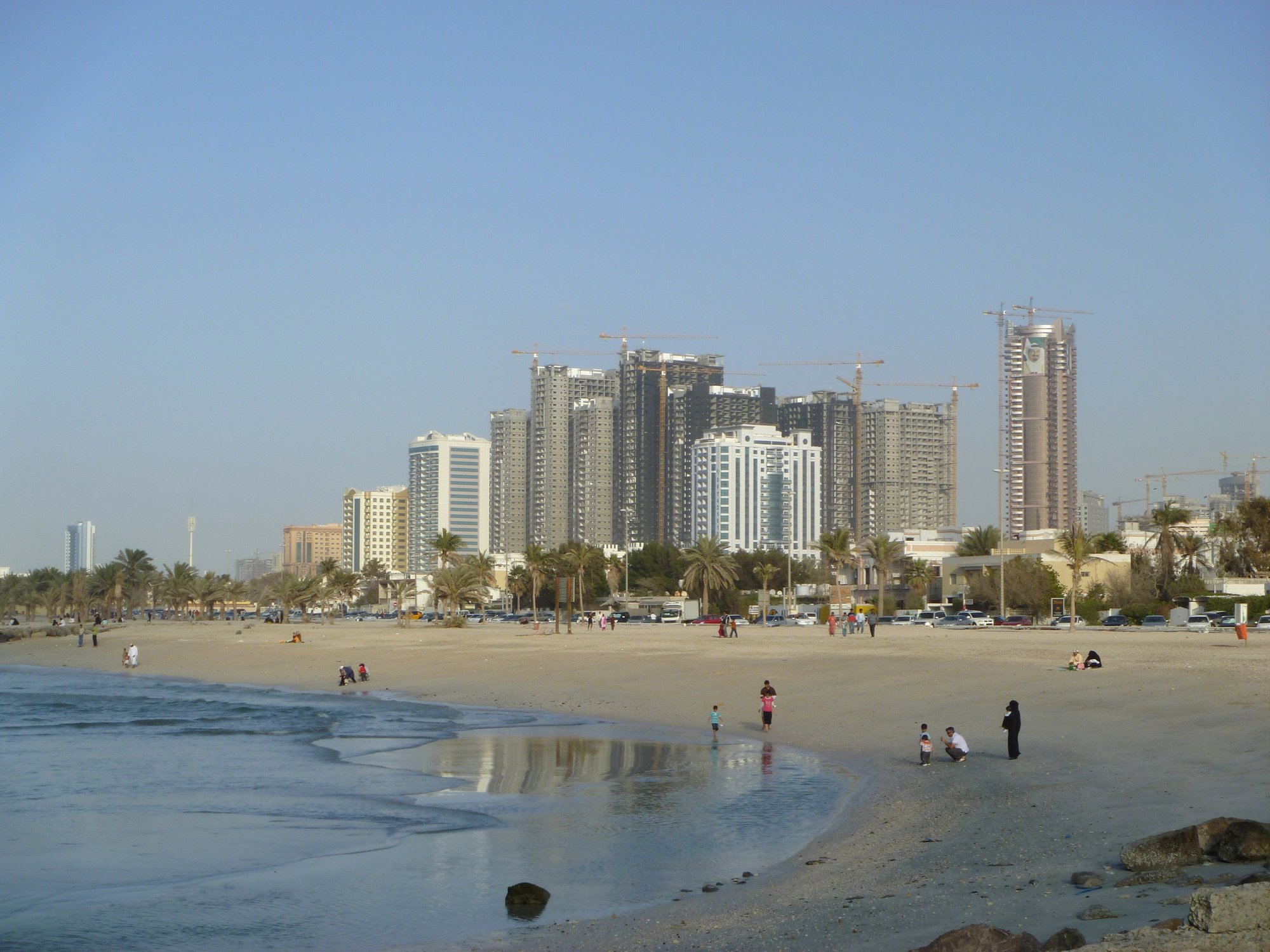
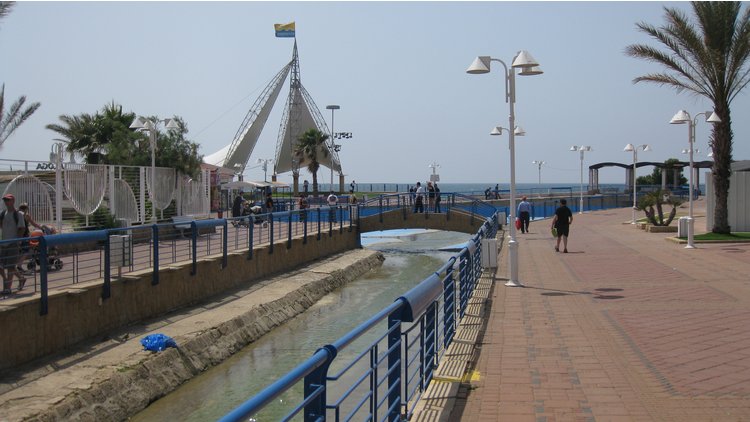
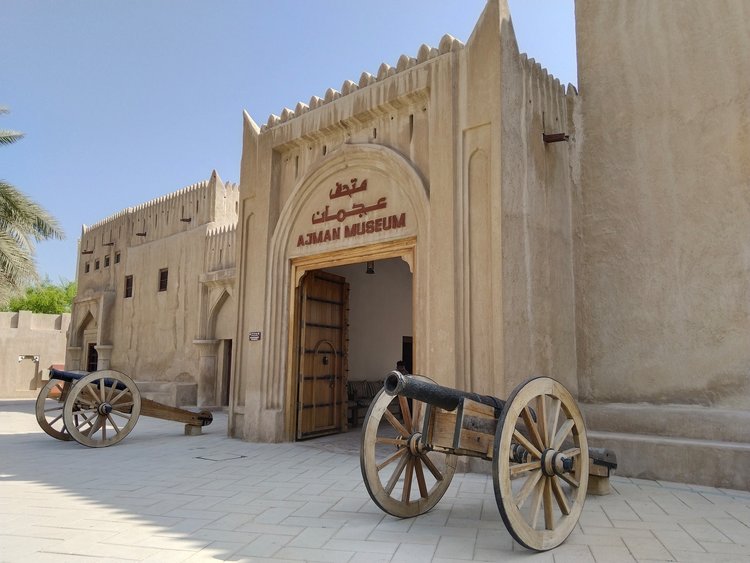
Ajman Corniche — a well-kept beach with sports and leisure areas, one of the calmest in the country. The dhow yard at the mouth of the lagoon — the oldest in the region, where you can watch wooden vessels being built up close. The Ajman Museum, housed in an 18th-century fort, tells the emirate's history before the oil era.
Best time to visit
Season runs October to April, with comfortable daytime temperatures of +25…+32°C. Peak season is December to February. In summer, June to September, expect the same intense heat and humidity as the rest of the UAE's west coast.
How to get there
Ajman has no airport of its own — the nearest are Sharjah International (SHJ), about 20-25 minutes away, and Dubai's Dubai International (DXB), about 30-40 minutes away depending on traffic.
Visa requirements depend on your nationality — check the official ICP UAE website for the current rules before you travel.
Getting around the city
There's no metro in Ajman. Around town it's taxis and the Careem and Uber apps; Sharjah Public Transport Corporation buses connect Ajman with Sharjah and Dubai. Thanks to the city's small size, many central spots are within easy walking distance of each other.
Things to see in Ajman


When to go to Ajman: weather by month
- Jan 24° 18° comfortable
- Feb 25° 20° comfortable
- Mar 28° 22° comfortable
- Apr 31° 24° shoulder season
- May 35° 28° shoulder season
- Jun 38° 31° hot
- Jul 39° 33° hot
- Aug 39° 33° hot
- Sep 37° 31° hot
- Oct 34° 28° shoulder season
- Nov 30° 24° comfortable
- Dec 26° 21° comfortable
Tours and activities in Ajman
Partner: ViatorNearest airports
FAQ
When is the best time to visit Ajman?
October to April, +25…+32°C during the day. Peak season is December-February.
Does Ajman have its own airport?
No, the nearest ones are Sharjah International (20-25 minutes away) and Dubai International (30-40 minutes).