Al Ain
Guide: what to see, where to stay, when to go and what it costs
© Jpbowen @ wikimedia.org / CC BY-SA 4.0
- Now
- +33°, clear data: MET Norway
- Best season
- December — March
- Time
- UTC+4
- Currency
- dirham, AED
- Airports
- AAN →
Al Ain in a minute
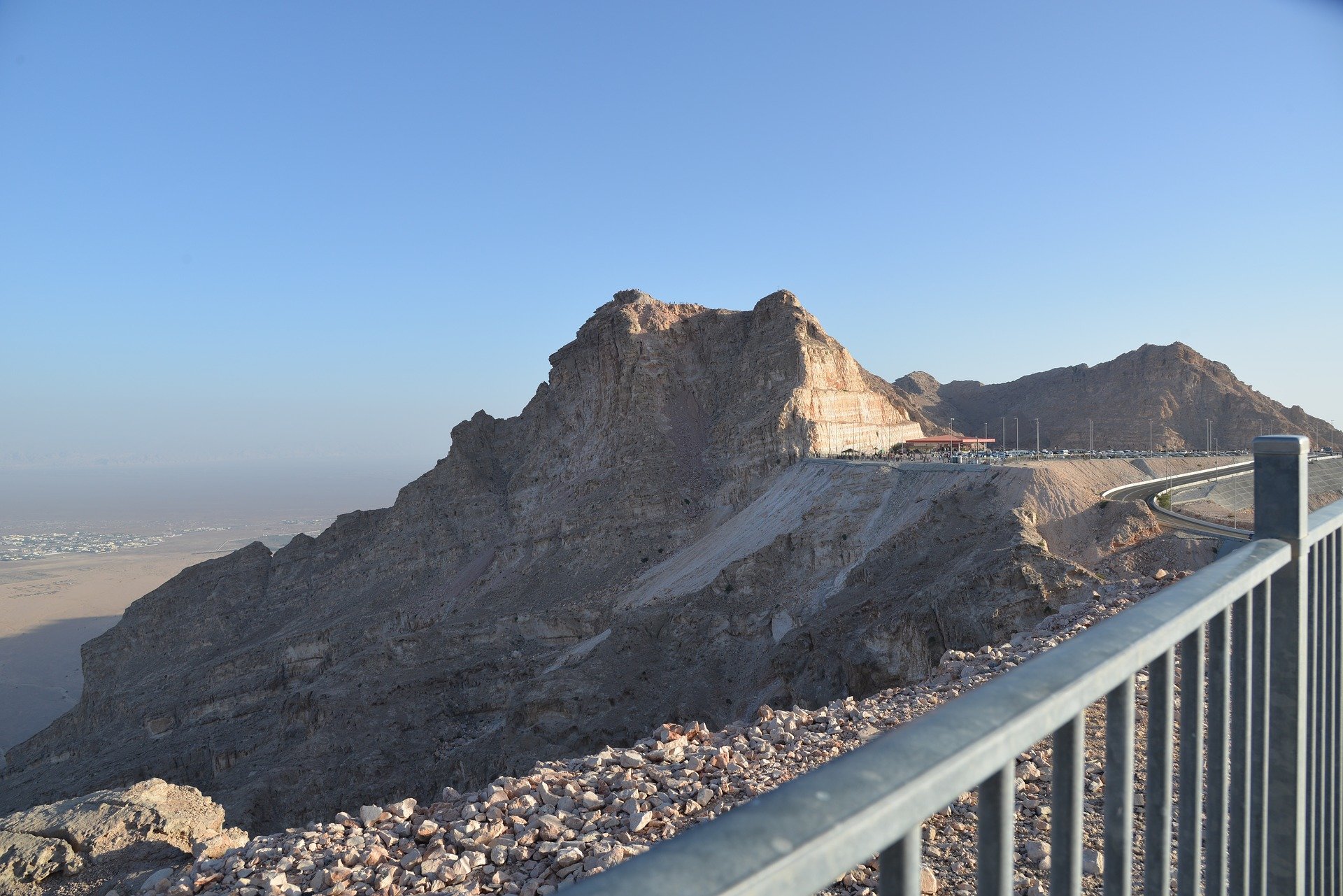
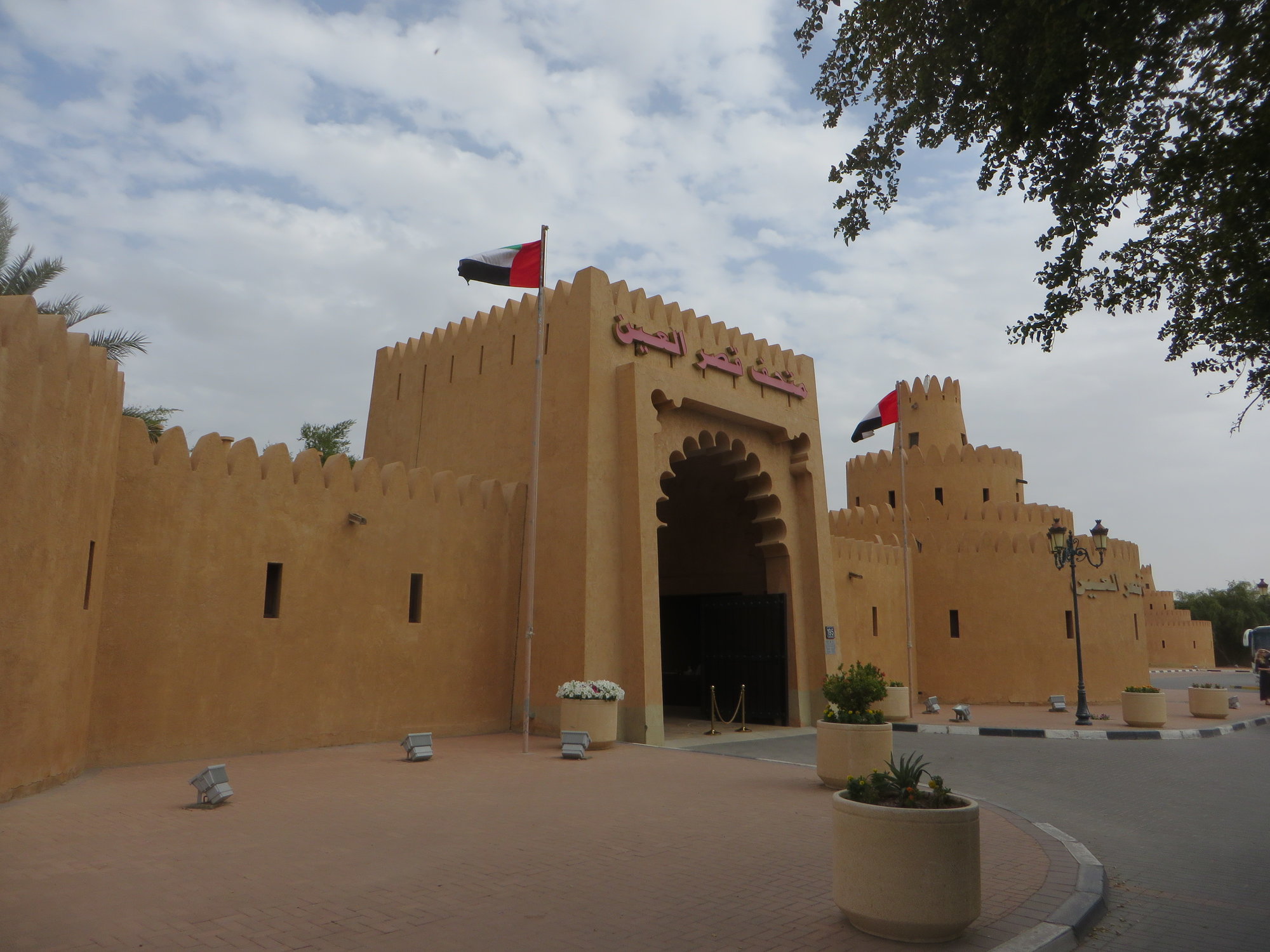
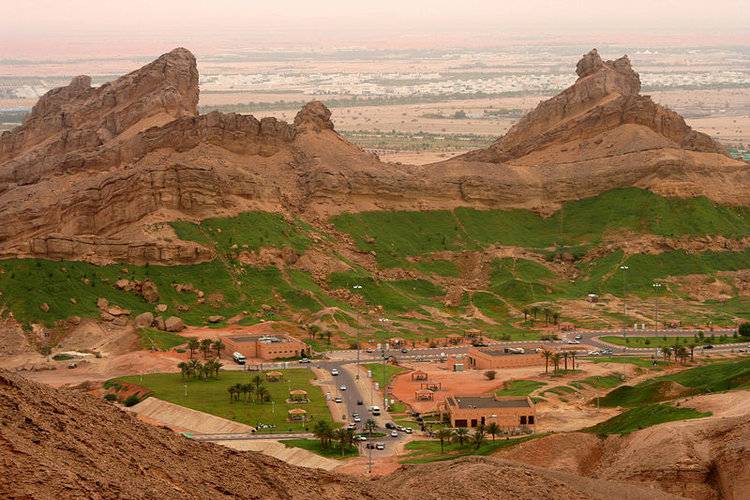
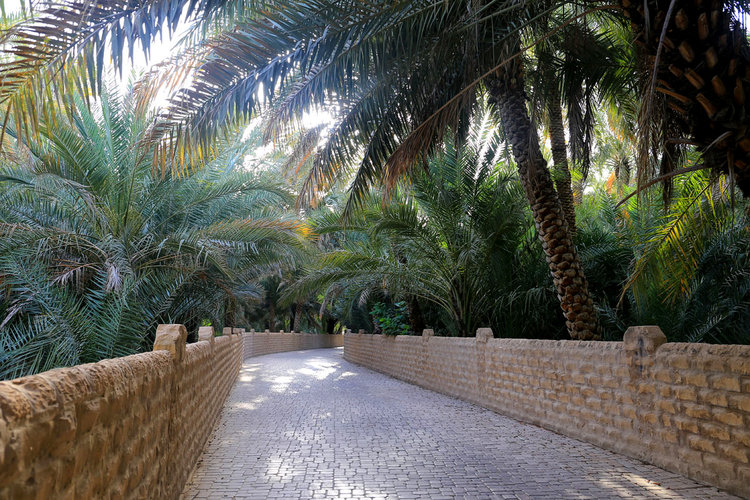
Al Ain is the only major city in the UAE with no coastline: it sits inland, at the foot of Jebel Hafeet, on the border with Oman, and administratively belongs to the emirate of Abu Dhabi. Tradition holds that this is where Sheikh Zayed, the founder of the modern UAE, was born, and it's also home to the date-palm oases that earn the city its nickname, the "Garden City" — the Al Ain Oasis is a UNESCO World Heritage site.
Because it's inland and sits at altitude, Al Ain's climate is drier and a touch cooler than Dubai's or Abu Dhabi's — most noticeable in the evenings. The city feels far quieter and greener than the coastal metropolises: wide, tree-lined avenues, and in the oases at the city centre you can walk shaded paths along centuries-old falaj irrigation channels.
What to see
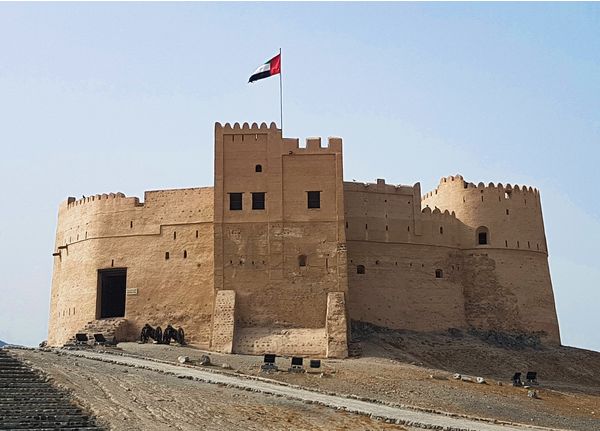
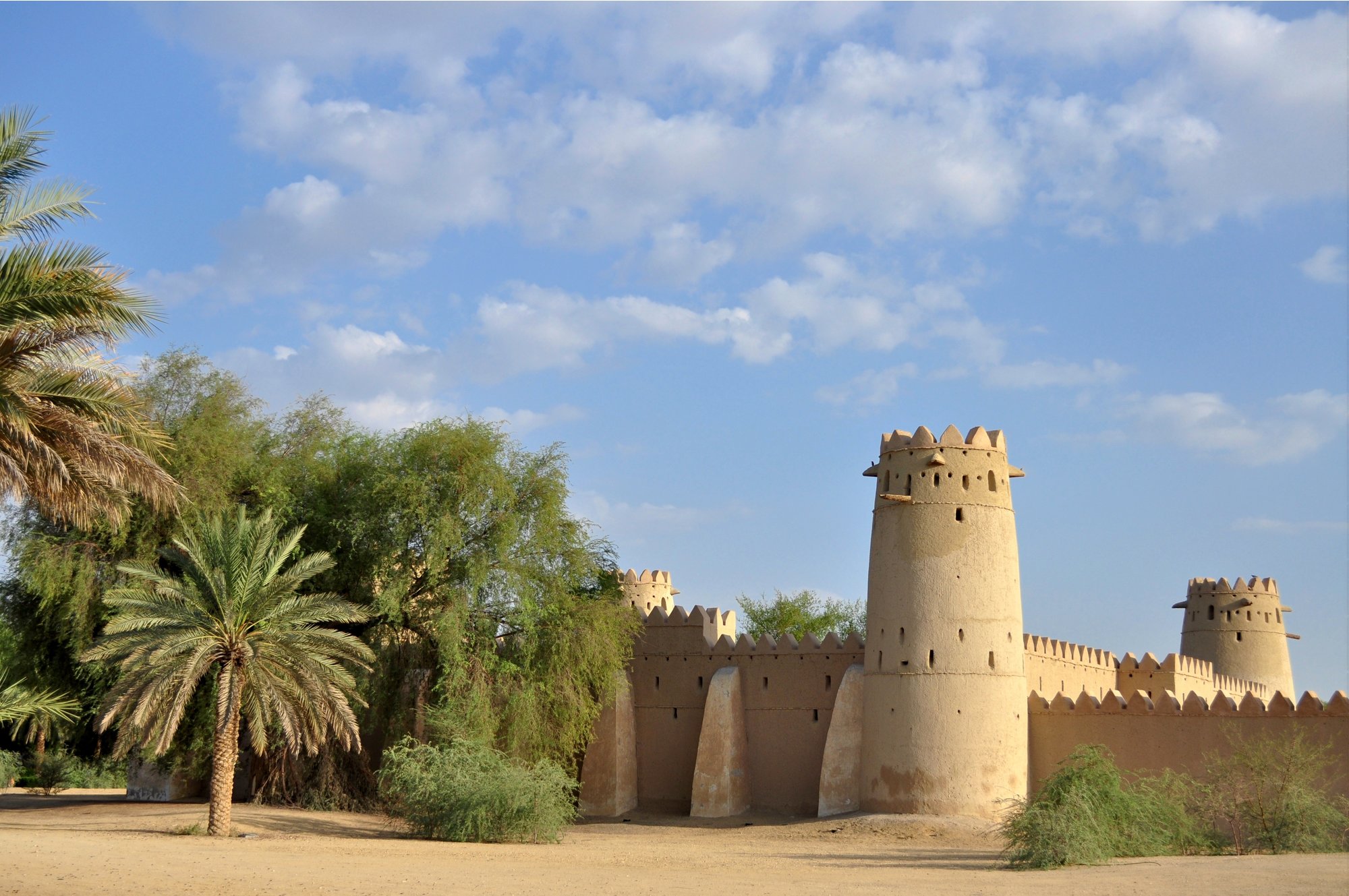
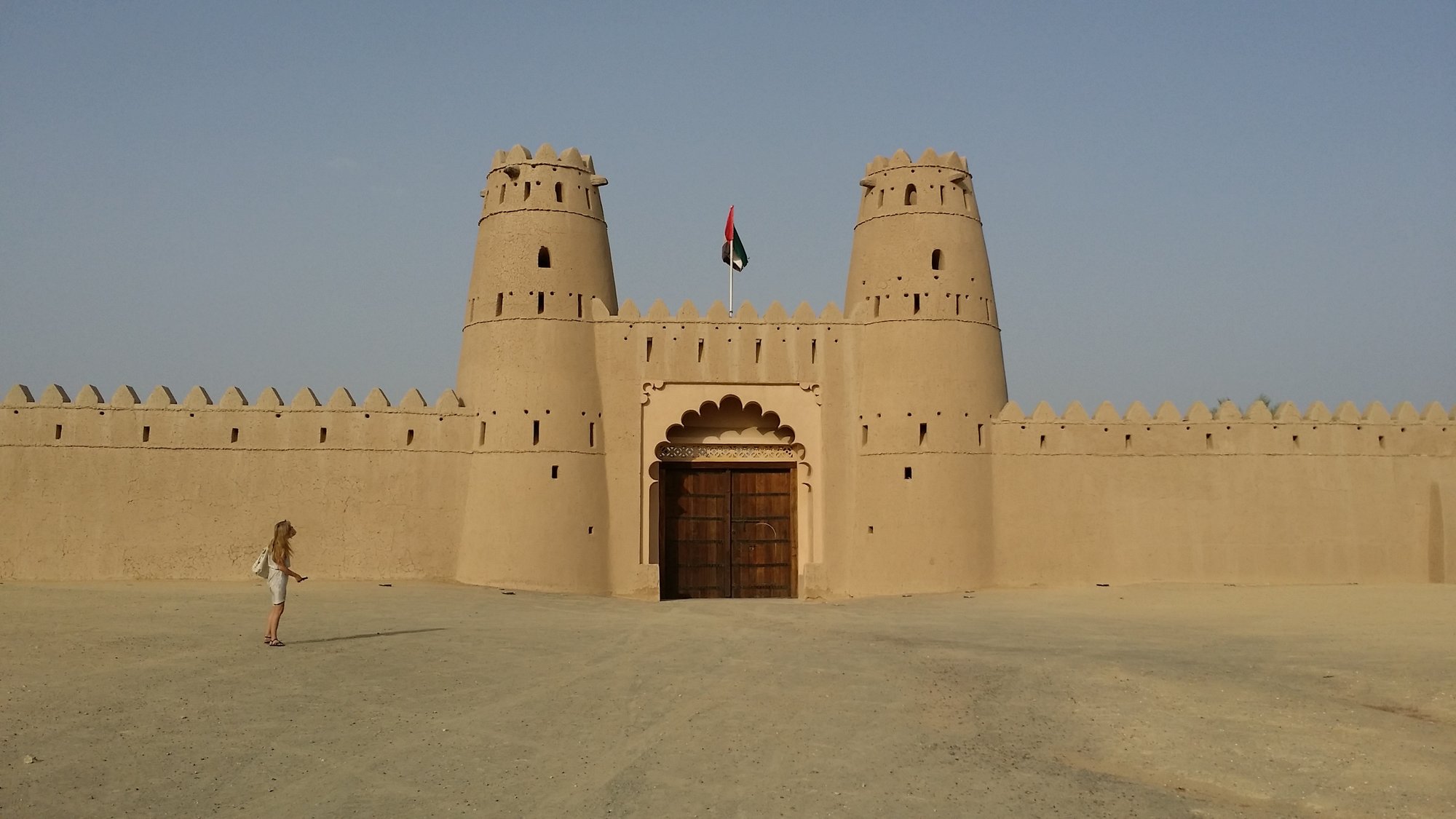
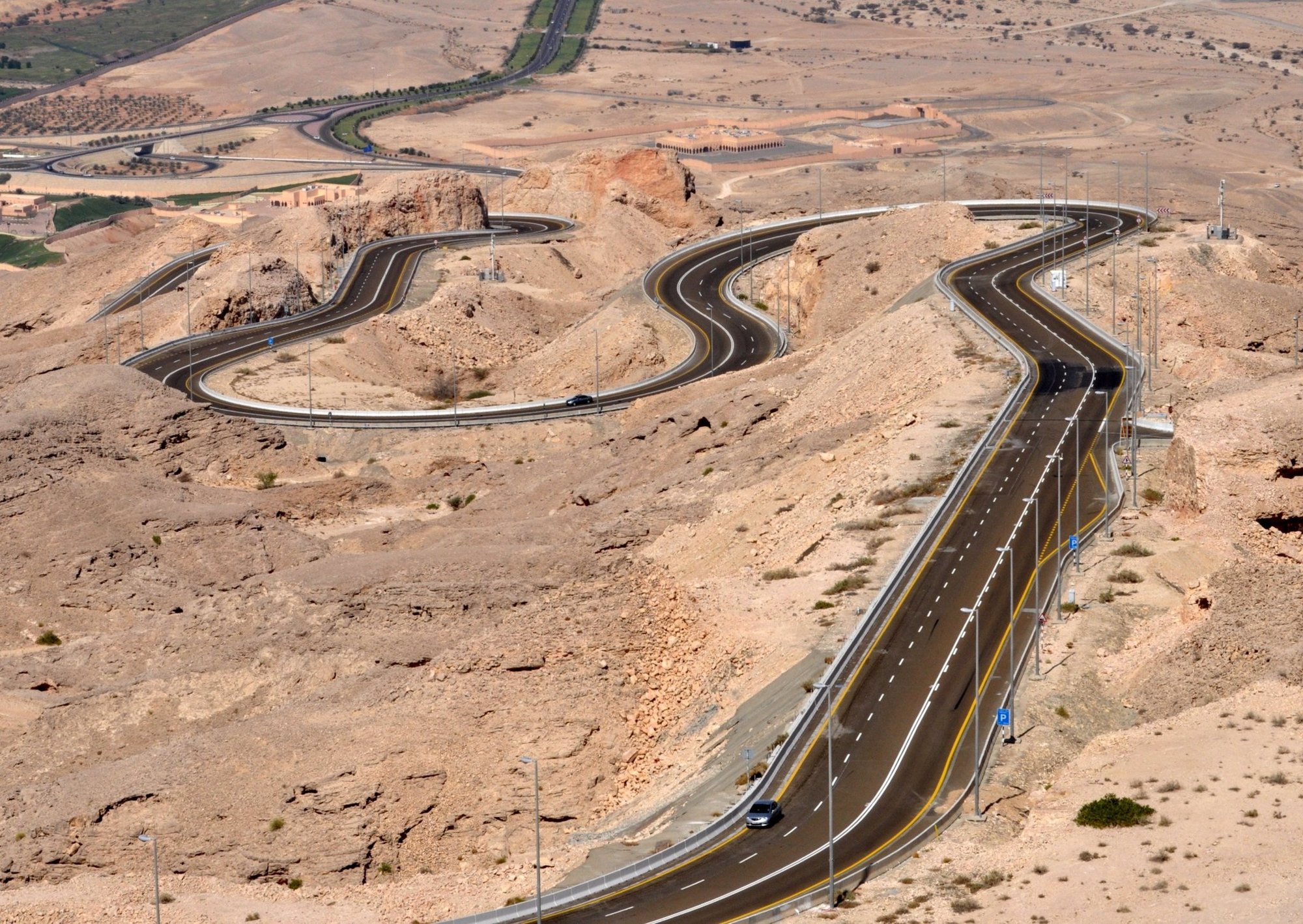
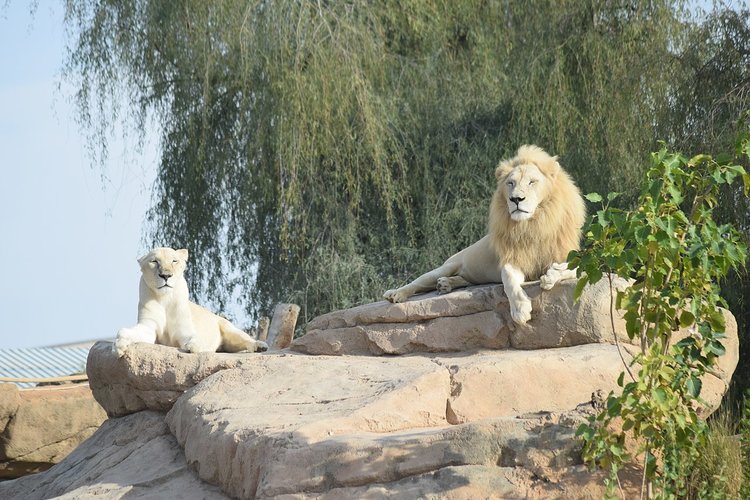
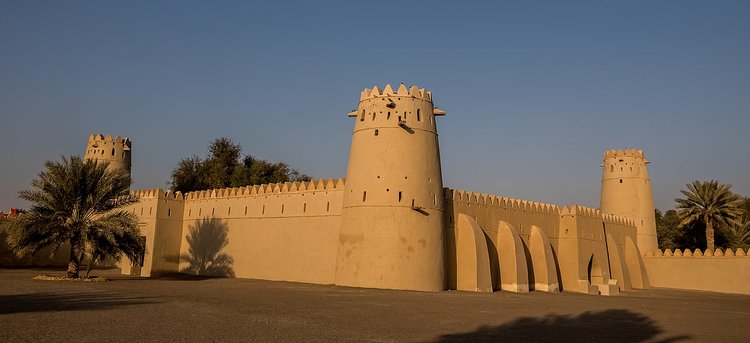
Al Ain Oasis is the oldest part of the city — date groves and a falaj irrigation network, a UNESCO World Heritage site. Jebel Hafeet has a winding mountain road to the summit with views over the desert and Oman, one of the country's most spectacular drives. Al Ain Zoo is one of the region's largest, with a focus on local and regional wildlife. The city centre has several forts and a National Museum covering the emirate's history before oil.
Best time to visit
Season runs October to April, with comfortable daytime temperatures of +25…+30°C and cool evenings, especially up around Jebel Hafeet. Peak season is December to February. In summer, June to September, daytime heat is intense, though lower humidity makes it more bearable than on the coast.
How to get there
Al Ain International (AAN) is a small airport with a limited flight schedule. Most visitors reach Al Ain by car or transfer from Abu Dhabi (about 1.5 hours) or Dubai (about 2 hours) via a direct desert highway.
Visa requirements depend on your nationality — check the official ICP UAE website for the current rules before you travel.
Getting around the city
There's no metro in Al Ain. Around town it's taxis and the Careem and Uber apps; given the wide avenues and greater distances between districts, a car or taxi is more practical than walking, except within the oasis and the centre itself.
Things to see in Al Ain
All 7 places →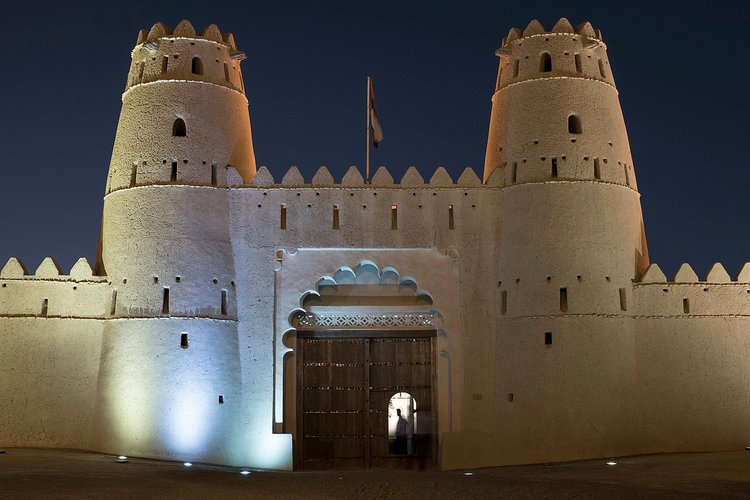


When to go to Al Ain: weather by month
- Jan 24° 15° comfortable
- Feb 27° 16° comfortable
- Mar 31° 20° comfortable
- Apr 35° 24° shoulder season
- May 40° 27° hot
- Jun 42° 30° hot
- Jul 42° 32° hot
- Aug 42° 32° hot
- Sep 40° 30° hot
- Oct 36° 26° shoulder season
- Nov 31° 21° shoulder season
- Dec 26° 17° comfortable
Tours and activities in Al Ain
Partner: ViatorAl Ain airports
FAQ
When is the best time to visit Al Ain?
October to April, +25…+30°C during the day, cooler evenings, especially in the mountains near Jebel Hafeet. Peak season is December-February.
How do I get to Al Ain?
Its own airport (AAN) is small, with limited flights. Most people arrive by car or transfer from Abu Dhabi (about 1.5 hours) or Dubai (about 2 hours).